As an important medical resource derived from human blood, blood products play a central role in saving lives and treating diseases. Blood products refer to biological preparations extracted and processed from the blood of healthy donors, primarily used to supplement or replace deficient blood components in patients. They are widely applied in emergency care, surgery, cancer treatment, and other fields. Types of blood products include human albumin, human placental albumin, intravenous immunoglobulin, intramuscular immunoglobulin, histamine immunoglobulin, specific immunoglobulins, hepatitis B immunoglobulin, rabies immunoglobulin, tetanus immunoglobulin, human coagulation factor VIII, human prothrombin complex, human fibrinogen, and anti�human lymphocyte immunoglobulin. These are irreplaceable biological pharmaceuticals in clinical treatment. Currently, there are still differences between the domestic and international markets in terms of market size and product variety.
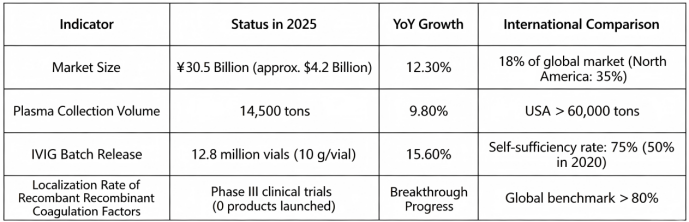
The raw material for blood products is plasma. Human plasma consists of 92%–93% water and only 7%–8% proteins, from which blood products are isolated and purified. The production of blood products relies on high-purity, high-safety, and high-yield separation and purification technologies. As biopharmaceuticals enter the era of precision medicine, traditional processes (e.g., cold ethanol fractionation) are being deeply integrated with innovative methods such as chromatography and membrane separation, forming multi-stage refined separation processes. The purification and filtration process mainly includes steps such as solid-liquid separation, polishing filtration, and sterile filtration.
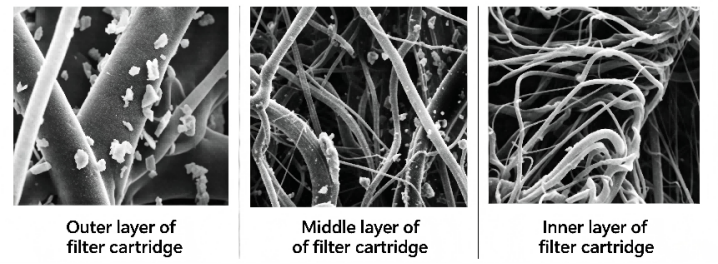
Depth filtration technology for blood products can be used in both solid-liquid separation and polishing filtration steps. The filter media in depth filtration cartridges consist of filter aids, cellulose, and resin binders, with a progressively denser pore structure. Impurity solid particles are retained at different depths, effectively extending the service life of the filter cartridge. The internal structure of a depth filter cartridge is shown below:
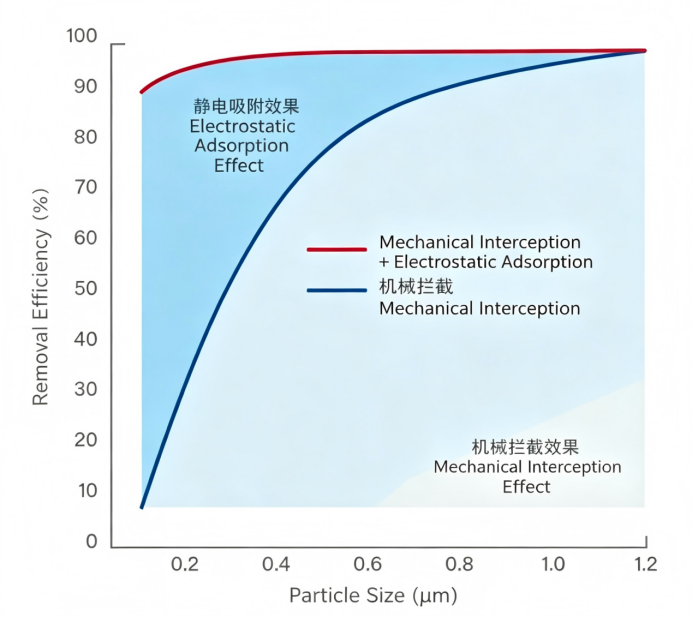
In addition to mechanical retention, depth filter cartridges also exhibit electrostatic adsorption. In aqueous solutions, cells, cell debris, endotoxins, contaminating DNA, and viruses all carry a negative charge. When particle sizes are smaller than the mechanical retention pore size, positively charged depth filters demonstrate significant removal efficiency for small-sized particles.
Depth filter cartridges are available in various types tailored to different application needs, including low pyrogen, low extractables, high charge, lipid-removing, and virus-removing grades. In addition to blood products, they can also be applied in fields such as recombinant proteins, vaccines, and chemical pharmaceuticals.
Sterile filtration of blood products must be performed at ambient temperature to preserve drug activity. Advanced pleated sterile filter cartridges can be used for sterile filtration of blood products. The pleating technology maximizes the effective filtration area while maintaining open flow channels within the filter medium pleats. This significantly extends the service life of the filter cartridge, increases flow rates, reduces filtration time, and minimizes the number of filter membranes required by increasing the effective membrane filtration area.
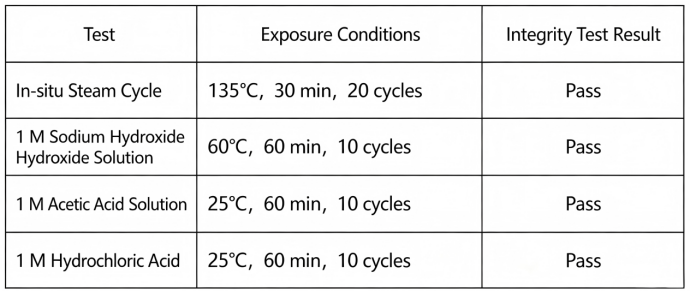
The pleated sterile filter membrane incorporates two layers of PES (polyethersulfone) membrane. The membrane structure features a loose upper layer and a tighter lower layer; both layers are asymmetric in structure, together forming a multi-zone filtration membrane that enhances dirt-holding capacity while maintaining high flow rates and sterilization performance. The absolute-rated sterile filter membrane has passed bacterial challenge testing, ensuring sterilization effectiveness. The material is a hydrophilically modified polyethersulfone, which is easily wetted and facilitates integrity testing for users. Additionally, the membrane material exhibits very low protein adsorption, improving the yield of target proteins. The pleated sterile filter membrane offers good heat resistance and chemical compatibility.
Since its establishment, Guochu Technology (Xiamen) Co., Ltd. has been committed to membrane separation technology as its core, dedicated to promoting novel separation technologies. The company continuously explores new applications of advanced membrane separation technologies in fields such as biopharmaceuticals, power, chemicals, microelectronics, metallurgy, machinery, food, dairy, beverages, and the environment. By addressing the highly differentiated needs of various clients, Guochu Technology provides targeted integrated solutions for filtration and purification, improving product quality and meeting customer requirements.