Bacterial lysis is the process of disrupting the cell wall and cell membrane to release intracellular contents. The purpose is to release biomolecules such as DNA, RNA, or proteins from within the bacteria. The lysis process typically employs chemical, physical, or enzymatic methods to break down the bacterial cell wall and membrane, releasing the cellular contents into the solution for subsequent extraction and analysis.
The main components after cell lysis include intracellular contents such as cell debris, proteins, nucleic acids (DNA and RNA), lipids, metabolites, as well as commonly used lysis buffer components such as Tris-HCl, EDTA, and NaCl. The complex composition of cell lysates increases the difficulty of subsequent separation and purification processes. Separation methods for cell lysates are primarily based on physical, chemical, or biological principles. Commonly used methods include centrifugation, column chromatography, and magnetic bead�based methods. The appropriate approach should be selected based on the target product (e.g., RNA, protein).
Using filter cartridge filtration to purify cell lysates is an efficient and safe separation technology. The filter media in depth filtration cartridges consist of filter aids, cellulose, and resin binders, with a progressively denser pore structure. Impurity solid particles are retained at different depths, effectively extending the service life of the filter cartridge. The internal structure of a depth filter cartridge is shown below:

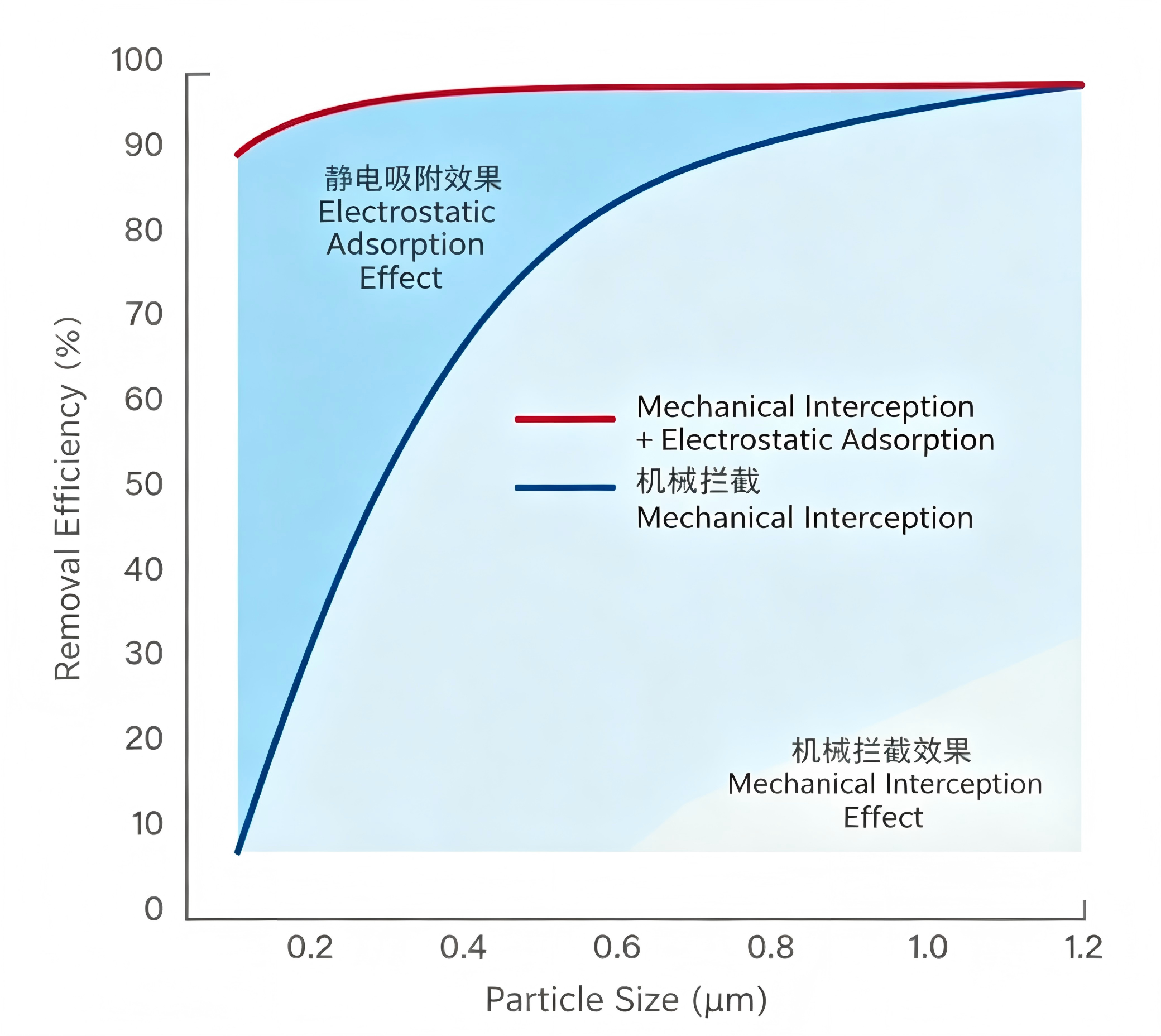
In addition to mechanical retention, depth filter cartridges also exhibit electrostatic adsorption. When particle sizes are smaller than the mechanical retention pore size, positively charged depth filters demonstrate significant removal efficiency for small-sized particles. Depth filter cartridges have excellent endotoxin retention capacity, with adsorption capacity reaching 10⁴ EU/cm² to 10⁵ EU/cm².
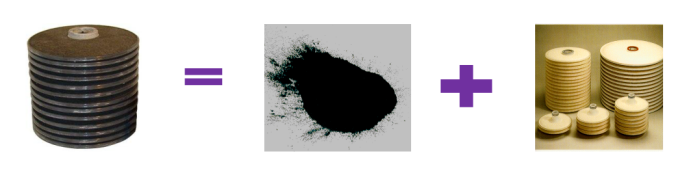
The activated carbon series of depth filter cartridges combines activated carbon powder with depth filtration media, offering dual filtration functions of mechanical interception and activated carbon adsorption. This enables the removal of endotoxins, protein kinase A (PKA), contaminating proteins, DNA, and more. All activated carbon filter cartridges are manufactured under a quality system strictly compliant with ISO 9001:2000. The materials used meet the U.S. FDA 21 CFR standards and have passed the United States Pharmacopeia (USP) Class VI biological reactivity testing.
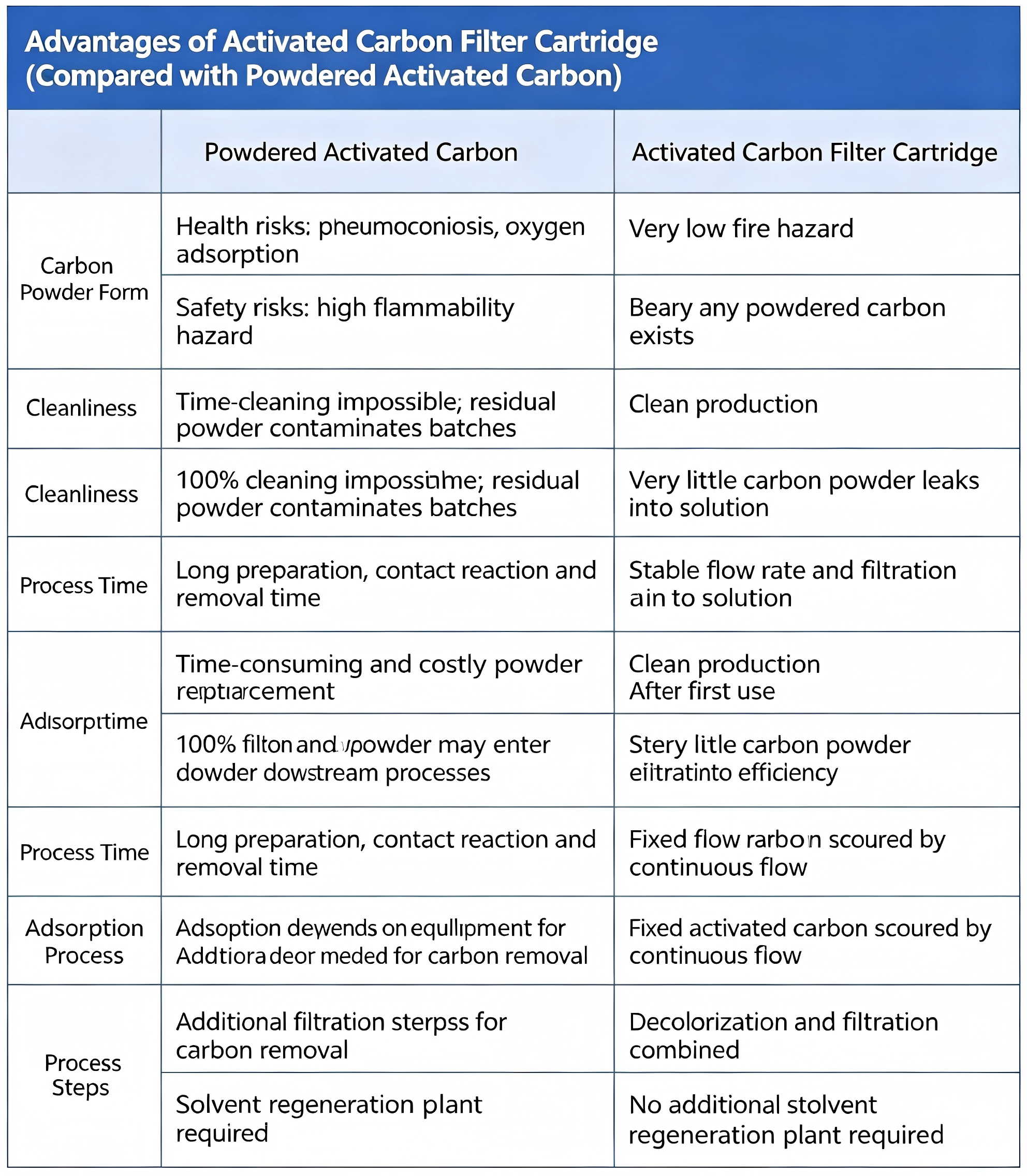
The advantages of activated carbon depth filter cartridges compared with powdered activated carbon are summarized in the table below:
Since its establishment, Guochu Technology (Xiamen) Co., Ltd. has been committed to membrane separation technology as its core, dedicated to promoting novel separation technologies. The company continuously explores new applications of advanced membrane separation technologies in fields such as biopharmaceuticals, power, chemicals, microelectronics, metallurgy, machinery, food, dairy, beverages, and the environment. By addressing the highly differentiated needs of various clients, Guochu Technology provides targeted integrated solutions for filtration and purification, improving product quality and meeting customer requirements.