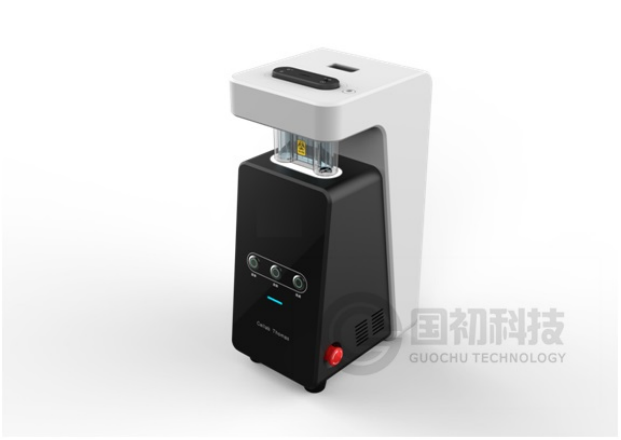
Against the backdrop of accelerating precision oncology diagnosis and biopharmaceutical R&D, circulating tumor cells (CTCs), as "liquid biopsy markers" reflecting tumor metastasis and recurrence, require efficient sorting to unlock their clinical and research potential. Guochu Technology (Xiamen) Co., Ltd., leveraging its fourth-generation microfluidic chip-based CTC capture technology, overcomes the industry pain points of "rare and difficult-to-obtain specimens, significant viability loss, and low sorting efficiency." The company provides a full-scenario solution—from clinical diagnosis to basic research—for the biopharmaceutical field, facilitating the implementation of precision oncology and innovative drug development.
I. Core Technology
1. Technical Principle:
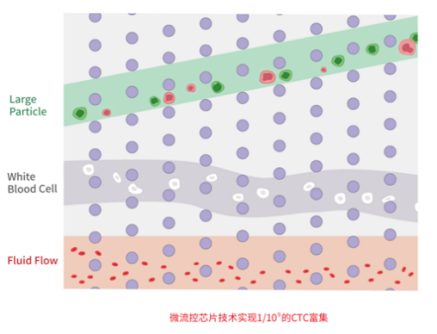
Based on the pathological characteristics of CTCs—namely, a significantly higher nucleus-to-cytoplasm ratio than normal cells and distinct size and deformability from blood cells—Guochu Technology employs a Deterministic Lateral Displacement (DLD) microfluidic structure to design a specific critical separation size. When a whole blood sample enters the chip, CTCs are precisely "retained" due to their distinct physical properties under hydrodynamic forces, while impurity cells such as red blood cells and white blood cells pass through smoothly. This enables efficient label-free sorting—avoiding interference from antibodies with cell surface antigens—and allows the intact capture of all CTC phenotypes, including epithelial, mesenchymal, and cancer stem cell types, solving the problem of "missing special-phenotype CTCs" encountered with traditional antibody-based methods.
2. Technical Advantages:
Guochu Technology‘s CTC sorting technology is comprehensively optimized in terms of efficiency, compatibility, and ease of operation, meeting the high-frequency application needs of clinical and research settings:
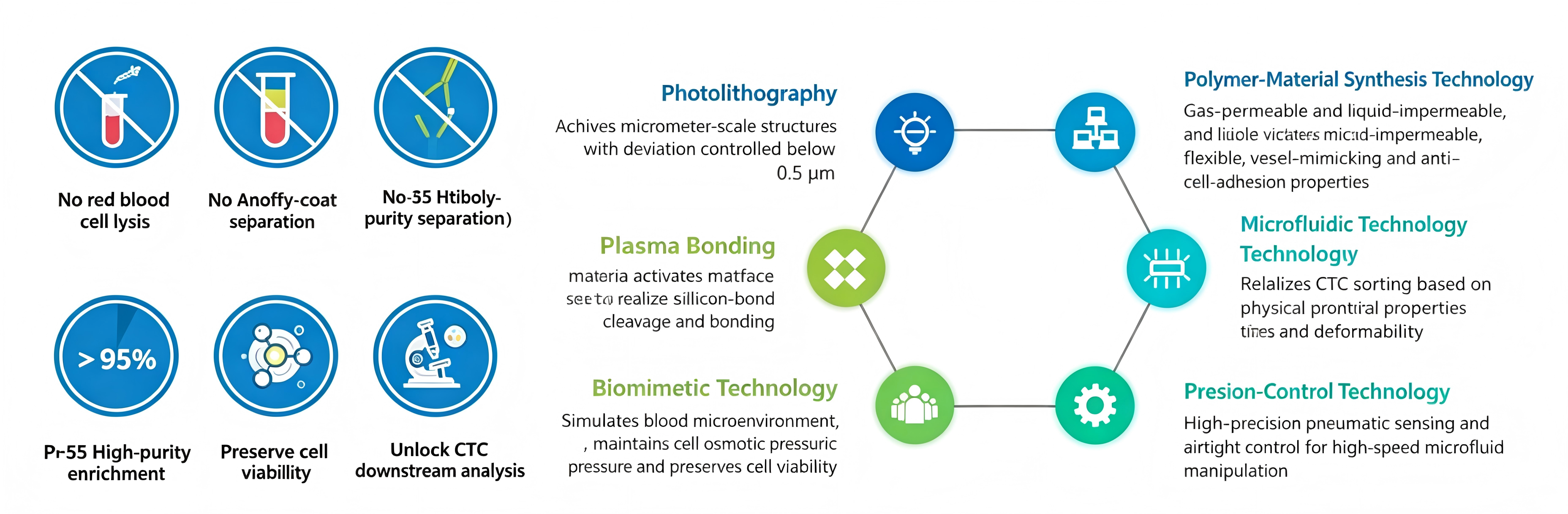
High efficiency and precision: CTC recovery rate >95%, red blood cell removal rate ≈100%, white blood cell removal rate >99%, enabling the precise capture of 1–50 CTCs from a 1 mL sample containing billions of blood cells.
Fast and convenient: No pre-treatment steps such as red blood cell lysis or buffy coat separation are required. A 5 mL whole blood sample can be sorted in just 20–30 minutes, with fully automated operation and no need for dedicated technical personnel.
Universal compatibility: Compatible with all major brands of EDTA anticoagulant blood collection tubes and directly interfacable with downstream detection equipment, lowering the barrier for cross-platform applications.
Non-destructive viability: Pure physical sorting without chemical reagents preserves the full physiological activity of CTCs, providing "live cell samples" for subsequent drug sensitivity testing, single-cell culture, and other applications.
 3. Supporting Reagents:
To further enhance the analytical value of CTCs, Guochu Technology has simultaneously developed circulating tumor cell immunofluorescence detection reagents that cover core analytical needs in the biopharmaceutical field:
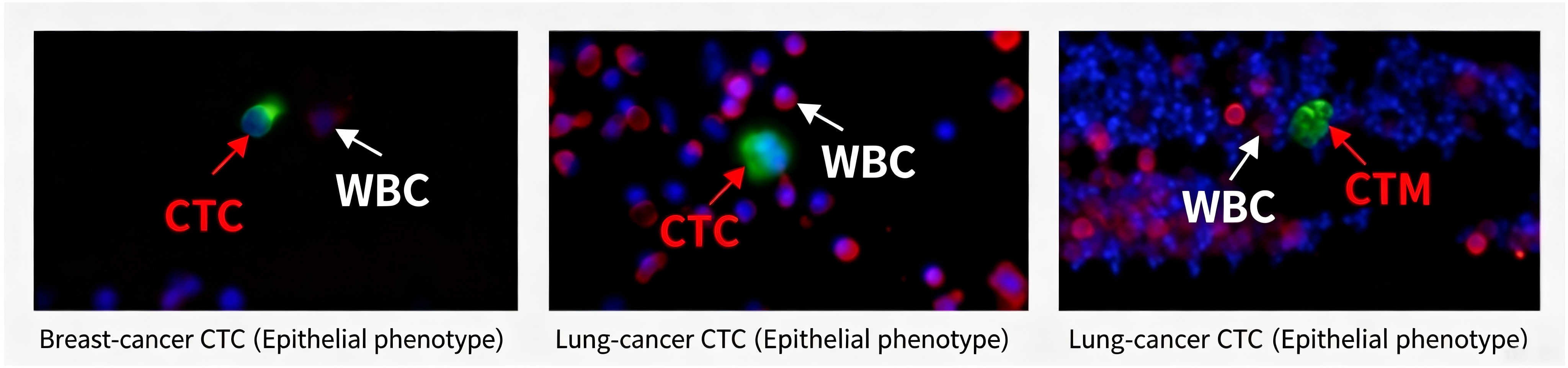
Epithelial CTC/CTM identification (CKpan+, CD45-, DAPI+): Assists in early tumor diagnosis; CTM count may indicate metastatic risk.
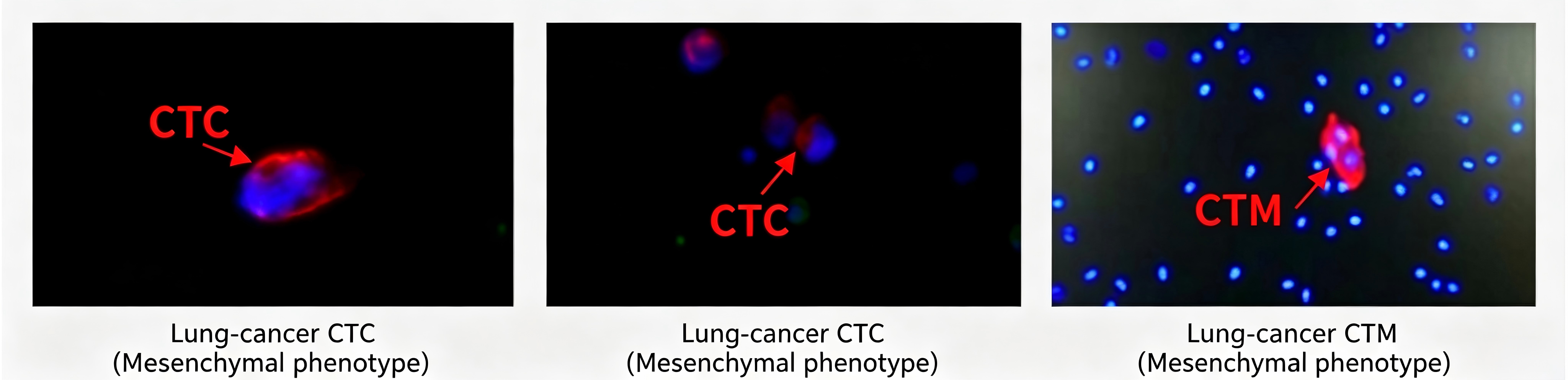
 Mesenchymal CTC/CTM identification:
 Reflects the tumor EMT (epithelial-mesenchymal transition) process, providing evidence for drug resistance monitoring and metastasis warning.
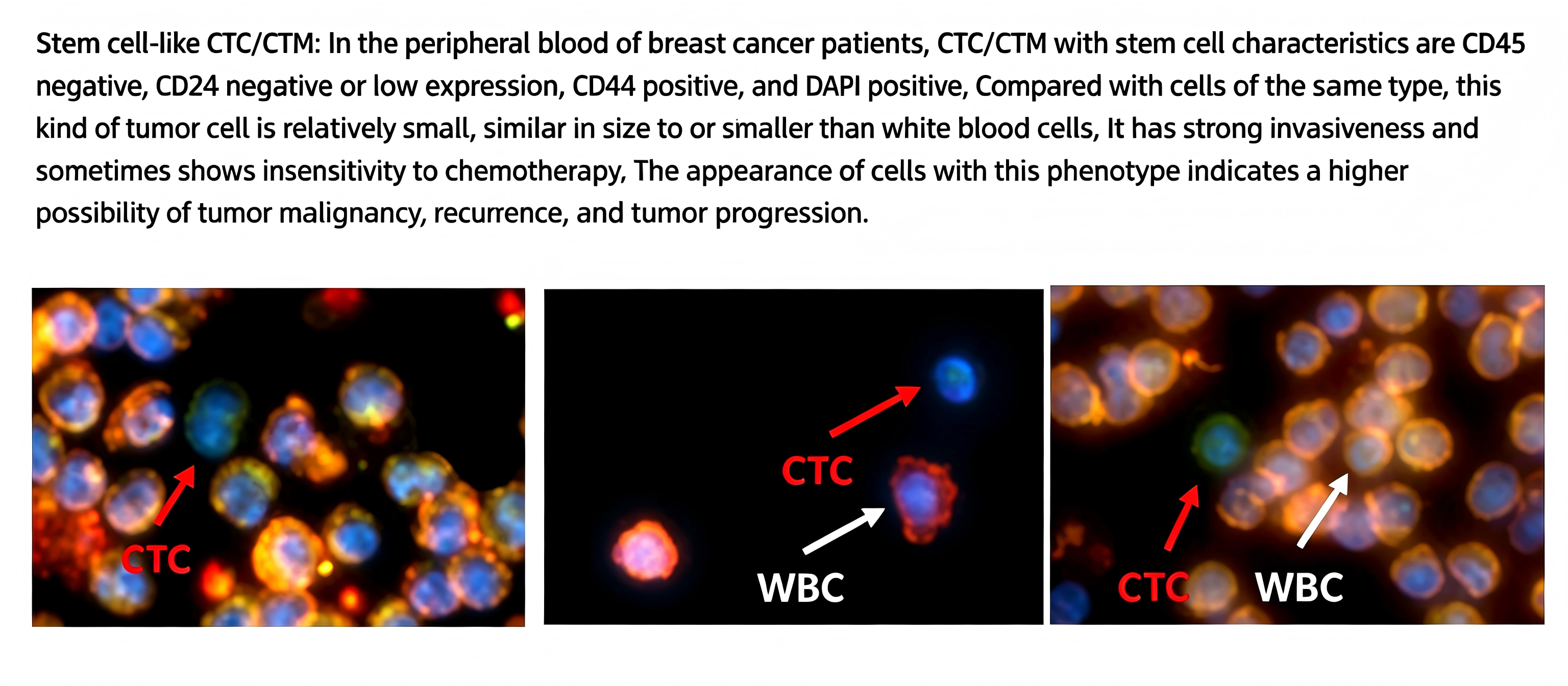
 Cancer stem cell-like CTC identification
 (CD45-, CD24-, CD44+, DAPI+): Correlates with tumor recurrence and chemotherapy resistance, aiding in prognostic stratification.
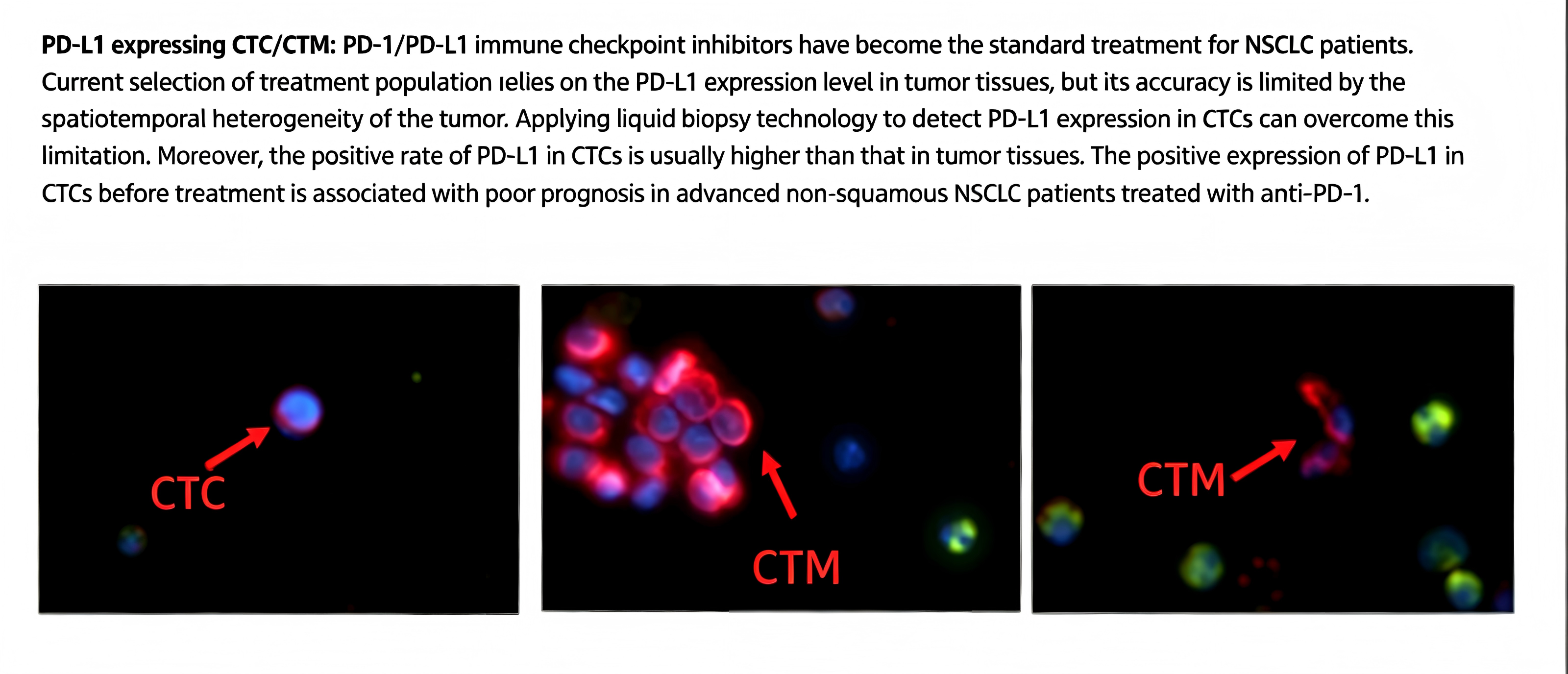
 PD-L1 phenotype CTC/CTM identification:
 Tailored for immunotherapy needs, overcomes tumor spatiotemporal heterogeneity, and guides PD-1/PD-L1 inhibitor selection.
 II. Clinical Diagnostic Applications
1. Early Tumor Screening:
II. Clinical Diagnostic Applications
1. Early Tumor Screening:
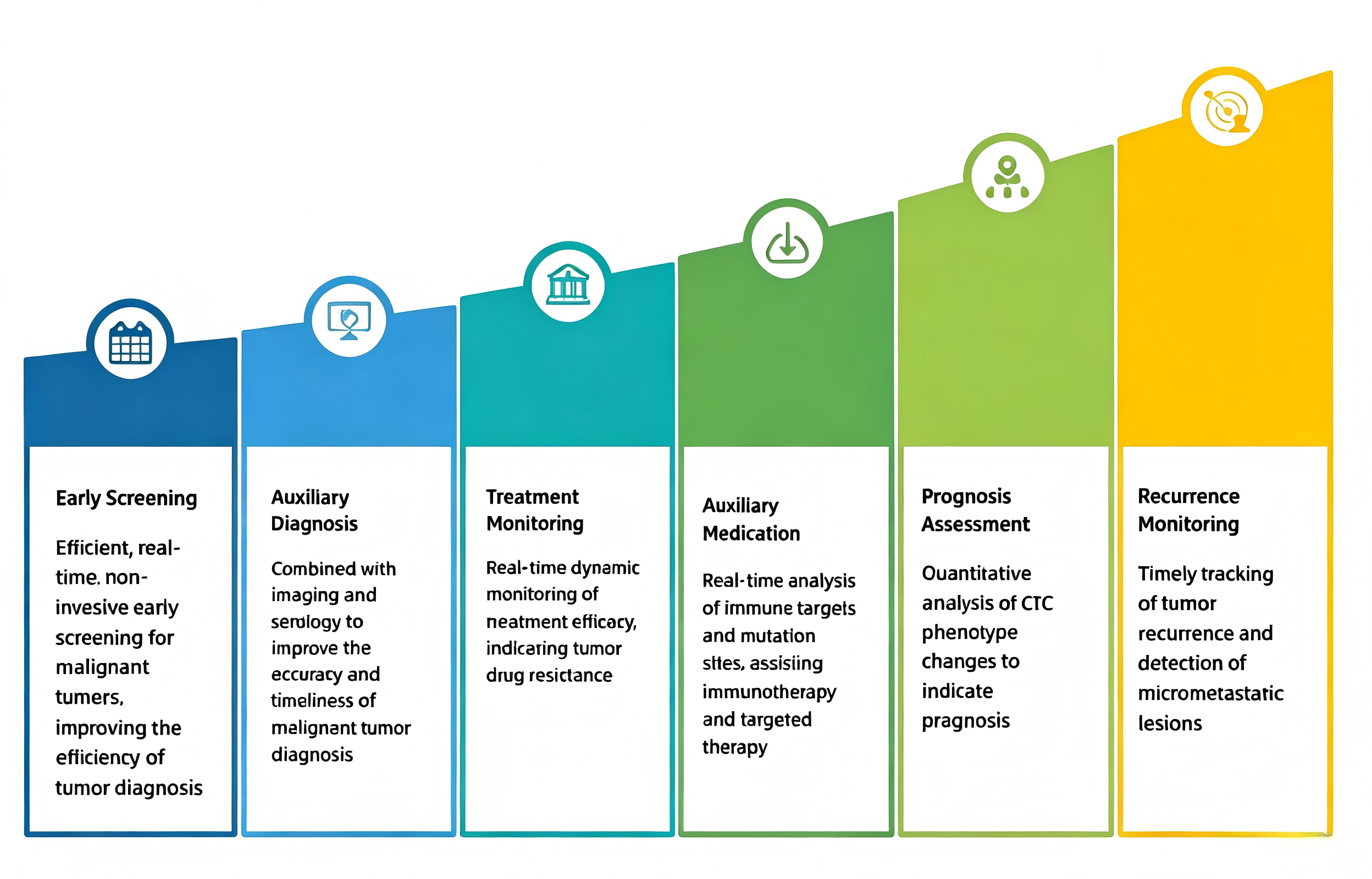
Traditional early tumor diagnosis relies on imaging or puncture biopsy, which suffer from low sensitivity and invasiveness. Guochu Technology‘s CTC sorting technology requires only 5 mL of whole blood, enabling non-invasive and efficient early screening by capturing trace CTCs and performing epithelial CTC identification—particularly suitable for high-risk populations (e.g., long�term smokers, those with a family history of tumors) for high-incidence cancers such as lung and breast cancer.
2. Treatment Response Monitoring and Drug Resistance Indication:
Quantitative level: A significant decrease in CTC count after treatment, combined with imaging and serological indicators, allows rapid confirmation of therapeutic efficacy.
Phenotypic level: An increase in the proportion of mesenchymal CTCs indicates that tumor cells are undergoing EMT (a key mechanism of drug resistance), enabling timely switching of targeted drugs or chemotherapy regimens to avoid wasteful medical resource utilization.
3. Prognostic Assessment and Recurrence Monitoring:
Prognostic stratification: If mesenchymal CTMs or cancer stem cell-like CTCs are detected after sorting, this indicates a high risk of metastasis and malignancy. Patients can be assigned to a "high-risk follow-up group" with optimized follow-up frequency.
Recurrence warning: Traditional methods struggle to detect micro-metastases, whereas Guochu Technology‘s CTC technology can sensitively capture "residual CTCs" in the blood, issuing warnings months before recurrence symptoms appear, enabling early clinical intervention and reducing the probability of advanced metastasis.
4. Auxiliary Diagnosis and Medication Guidance:
For patients from whom tumor tissue cannot be obtained (e.g., advanced-stage patients or those with tumors in special locations), CTC sorting technology enables "liquid biopsy as a substitute for tissue biopsy".
Auxiliary diagnosis: By sorting and identifying tumor-specific phenotypes of CTCs (e.g., CKpan+ and CD45- characteristics of lung cancer CTCs), it provides diagnostic evidence for patients without tissue samples.
Medication guidance: Sorted viable CTCs can be directly used for gene mutation testing (e.g., EGFR, ALK mutations) to guide targeted drug selection. At the same time, detection of cancer stem cell-like CTCs can indicate chemotherapy sensitivity, helping clinicians avoid ineffective chemotherapy regimens.
Guochu Technology‘s CTC sorting technology is not merely a technical breakthrough but also a driver of collaborative development across "clinical-research-industrial" sectors in the biopharmaceutical field. It promotes the transformation of tumor diagnosis and treatment from "invasive and static" to "non-invasive, dynamic, and personalized," improving patient diagnostic experience and quality of life. For details on the specific application scenarios, technical specifications, or collaboration proposals for Guochu Technology‘s circulating tumor cell sorter, please call 0592-6518670 to obtain comprehensive information. Guochu Technology will continue to provide precision solutions for the biopharmaceutical field through technological innovation.